Between sessions
Something to use in the six days a week we are not meeting.
Therapy is time-limited. These are practices you can use at any time during the rest of the week — small, unglamorous, and effective mostly because they are repeatable.

These are regulation and steadying tools, not trauma processing. Working through a traumatic memory alone can leave you activated with no way to close it down — that work belongs in session, with someone tracking you. If a practice below makes things worse rather than steadier, stop and let me know.
5–4–3–2–1 grounding
When you have gone somewhere else and need to come back
- Name five things you can see, out loud if you can.
- Four things you can physically feel — chair, floor, fabric, air.
- Three things you can hear.
- Two things you can smell.
- One thing you can taste.
It works because it makes your senses do the talking. The point is not to feel calm; it is to be here.
Longer exhale
When your body is running faster than the situation warrants
- Breathe in through your nose for a count of four.
- Let the breath out slowly, for a count of six or more.
- Keep the exhale longer than the inhale. That ratio is the active ingredient.
- Six to ten rounds is usually enough to feel the shift.
The exhale is the part that recruits the parasympathetic system. Nothing about it needs to look impressive.
The butterfly hug
When you need bilateral steadying and you are on your own
- Cross your arms over your chest, hands resting near your collarbones.
- Tap slowly and alternately — left, right, left, right.
- Keep the pace slow, roughly one tap per second.
- Let your attention rest on something neutral rather than on the distress.
A self-administered version of the bilateral stimulation used in EMDR. Use it for soothing, not for processing a memory on your own.
Containment
When something has surfaced and this is not the moment for it
- Picture a container — a box, a vault, anything sealable. Yours, and sturdy.
- Put the material inside it. Not to get rid of it: to hold it until session.
- Close it deliberately. Notice that you are the one closing it.
- Bring your attention back to the room: feet, seat, sound, light.
Containment is a setting-aside, not a suppression. It works because you know when you are coming back for it.

Paced breathing
There is a working version of this on the home page.
A guided pacer with three patterns — calming, box and grounding breath. It runs in your browser, needs no account, and is the same exercise we would practise together in session.
Community outreach
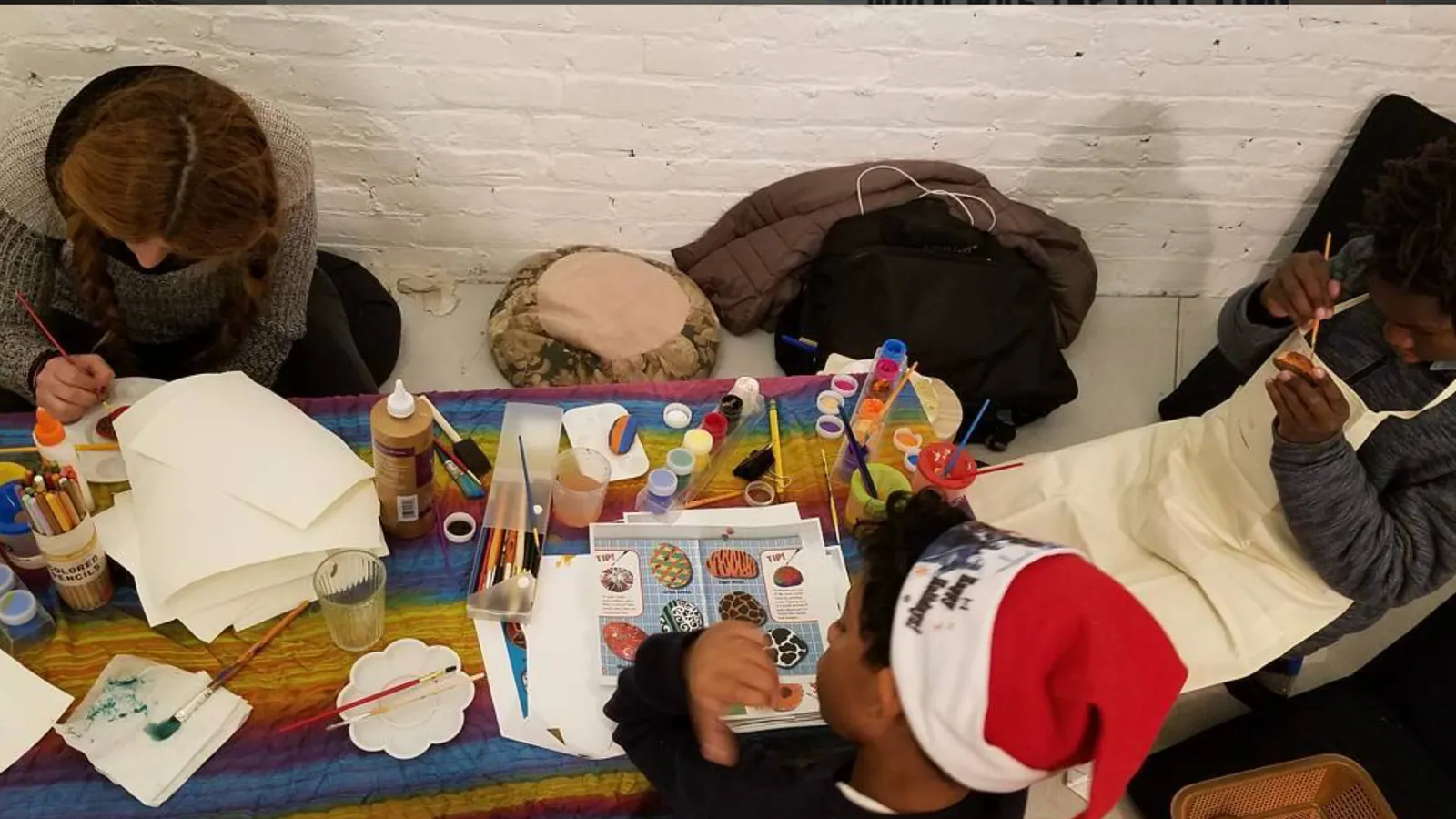
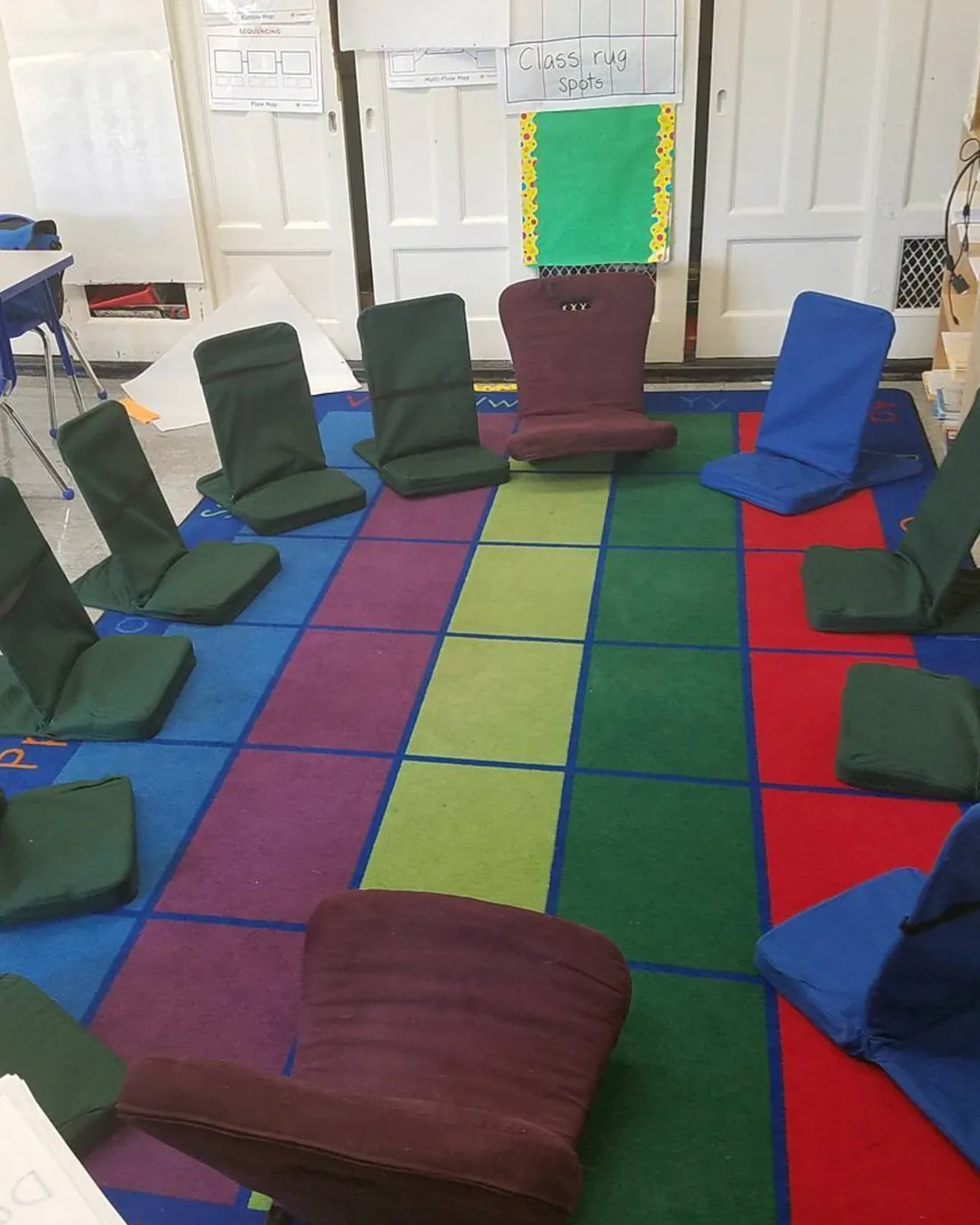
Providing families with mental health resources as they prepare for Back to School.
Prep For Prosperity turns up where families already are — with resources, supplies and someone to talk to about what the year ahead is going to ask of them.

Beyond this practice
Support that is available to anyone, right now.
Free, and not dependent on being my client — or anyone's.
- 988 Suicide & Crisis LifelineFree, confidential, 24/7 support anywhere in the United States. Call or text 988.
- Crisis Text LineText HOME to 741741 to reach a trained crisis counsellor by text message.
- NYC 988New York City's free, confidential crisis line for mental health and substance use — talk, text or chat, 24/7.
- NAMI New York CityPeer support groups, family programmes and free education for people affected by mental illness.

Tools help. They are not the same as being accompanied.
If you have been managing on your own for a while and it is not shifting, that is information rather than failure. One free phone call is a reasonable next step.